
Recently, my friend Lalit convinced me to join a gym.
I agreed, but I have a habit:
Whenever I start something new, I want to do it right.
And to do that, I try to gather as much information as possible.
This time it was fitness.
So before stepping into the gym, I started researching fitness. I asked people which beginner fitness book I should start with.
A lot of recommendations came through. But one title kept coming up repeatedly:
“Bigger Leaner Stronger” by Michael Matthews.
So I bought it and started reading immediately.
While going through it, I discovered Michael Matthews’s website: Legion Athletics. And at one point, I came across a link called: Online Coaching.
Curious, I clicked.
The page opened with a simple question:
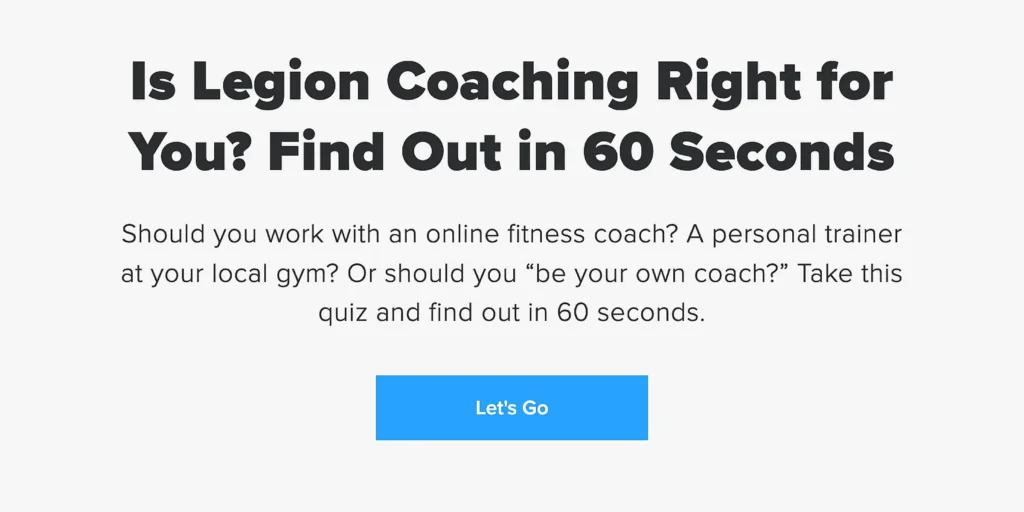
Naturally, I clicked “Let’s Go.”
The quiz walked me through six questions about my goals, diet, and exercise. And at the end, it asked for my email address in exchange for a 10% coaching coupon. Pretty standard.
But what happened next caught my attention.
Instead of sending me to a generic sales page, it redirected me to a personalized results page tailored to my answers. At least, it felt personalized.
The page spoke directly to my goals, my situation, and the exact problems I mentioned in the quiz. It even offered a free 30-minute consultation call.
At that point, I wasn’t interested in coaching yet, so I didn’t book the call.
But I became curious about something else:
How dynamic was this funnel?
So I took the quiz multiple times using different answers. And every time, the system generated a different version of the sales page.
That’s when I realized what they were doing.
This wasn’t a traditional squeeze funnel.
This was something else.
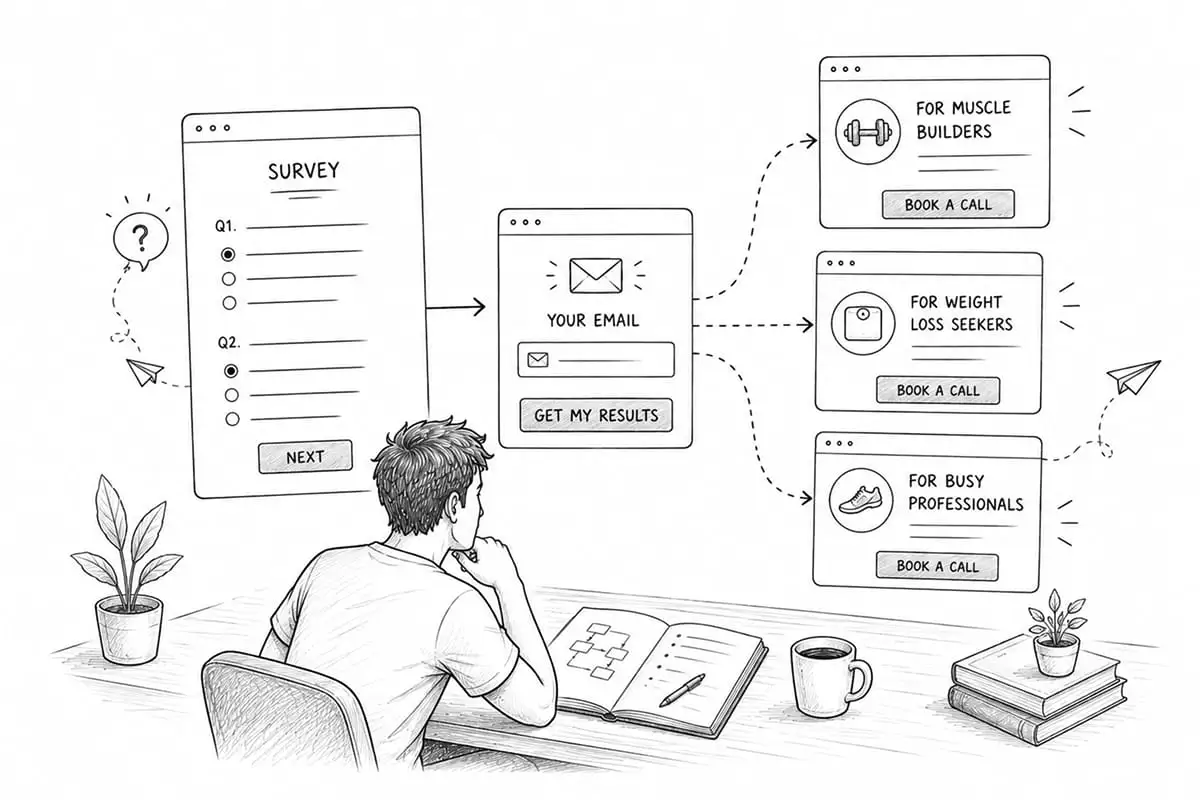
Survey Funnels
It was a survey funnel. In survey funnels, the offer stayed the same, but the messaging changed based on the user.
Instead of asking for the email first and selling later, they gathered context before making the pitch.
Same goal. Different execution.
Survey funnels work especially well when your audience has different goals, or they face different problems, or your offer serves multiple types of people. The funnel has three parts:
- The survey page
- The squeeze page
- The result page(s)
Let’s break down how survey funnels work and why they convert so well.
Page 1: The Survey Page
The promise behind most survey funnels is simple:
“Take this short quiz and I’ll tell you something useful about yourself.”
That “something” could be the right fitness plan, the best skincare routine, or the ideal business strategy.
But the real purpose of the survey isn’t education.
It’s segmentation.
The goal is to sort visitors into different buckets so you can speak to each person directly.
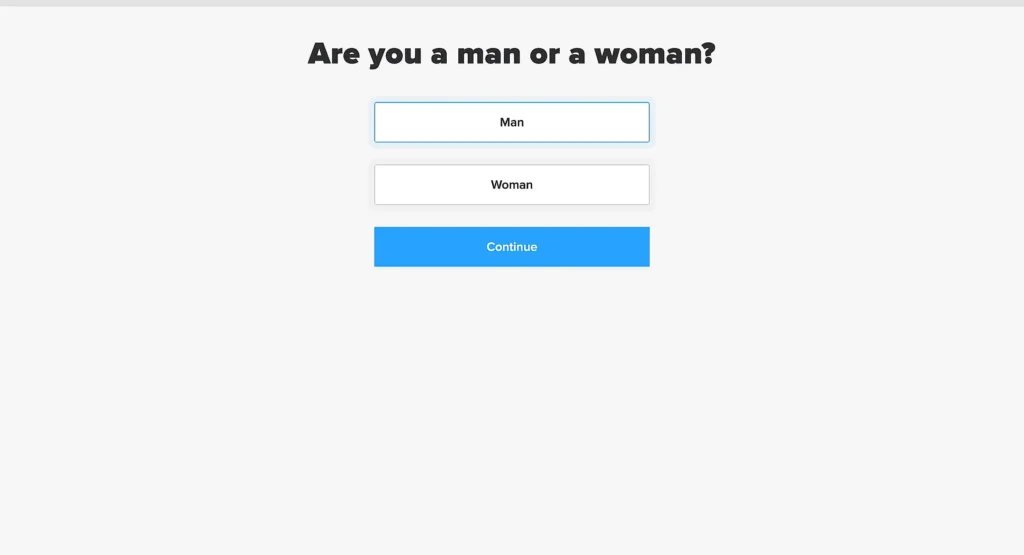
In most survey funnels, there’s one bucket question that matters more than all the others combined. And the answer to this question determines which landing page users see, what messaging they receive, and how the product is positioned to them.
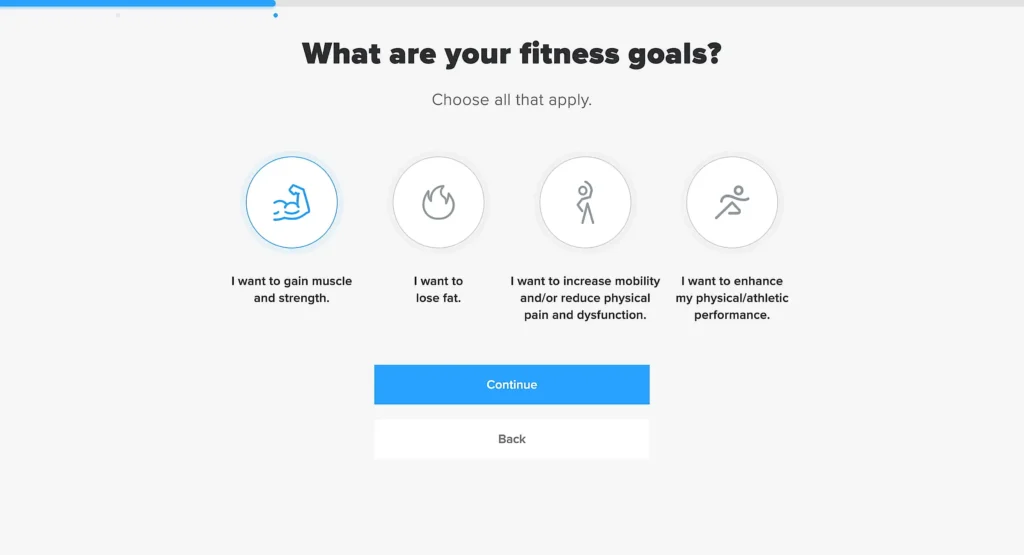
In Legion Athletics’s funnel, the bucket question was:
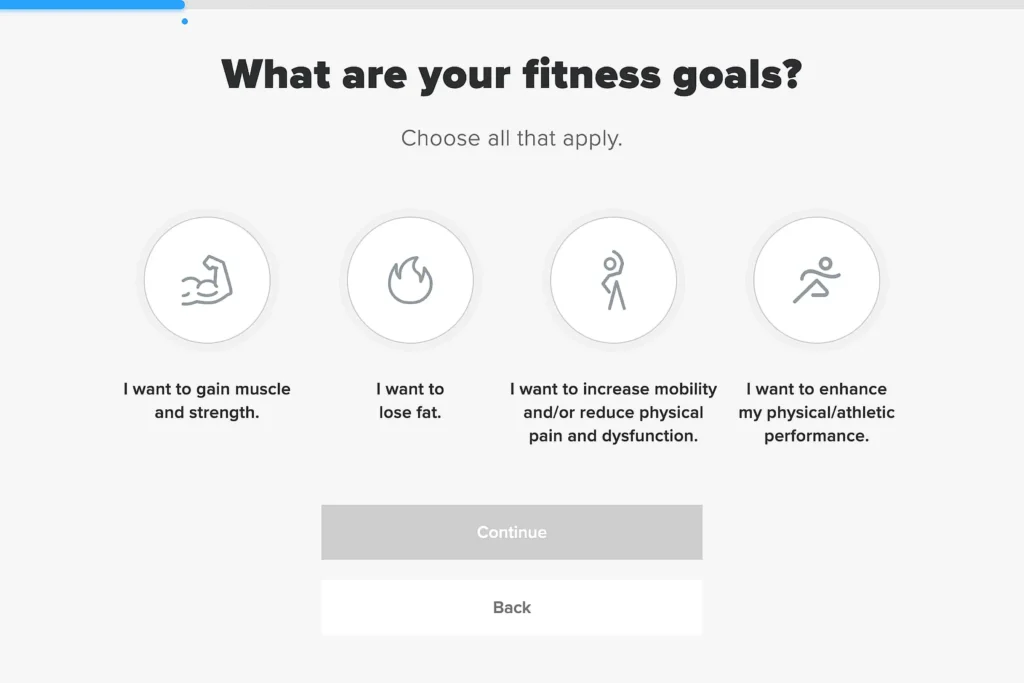
Simple question but massive implications. Because someone trying to gain muscle, lose weight, increase mobility, or enhance athletic performance, shouldn’t receive the same marketing message.
That’s the brilliance of the funnel. The product stays the same but the positioning changes. Most of the survey followed a multiple-choice format.
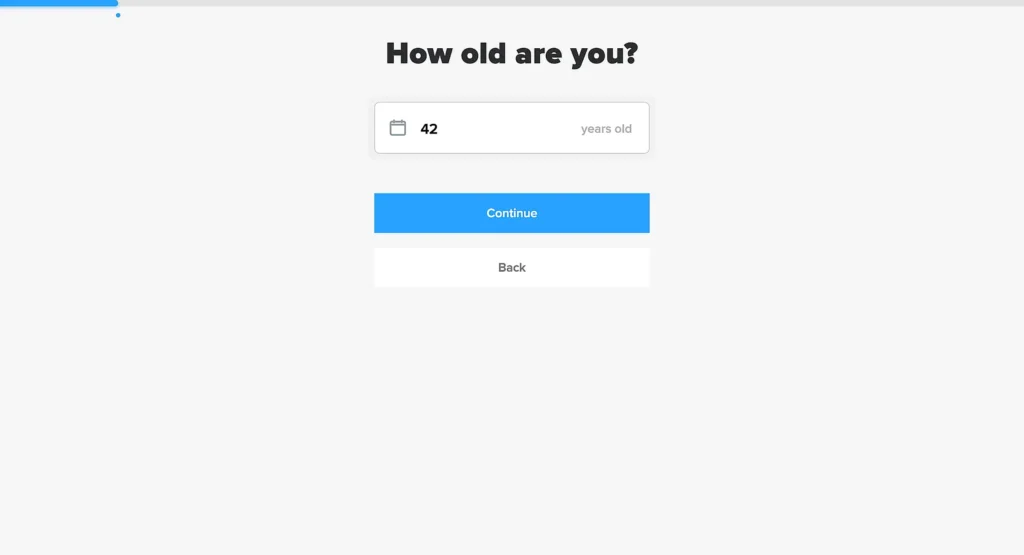
- Self-identifying questions: Gender, age
- Goal-based questions: What are your fitness goals?
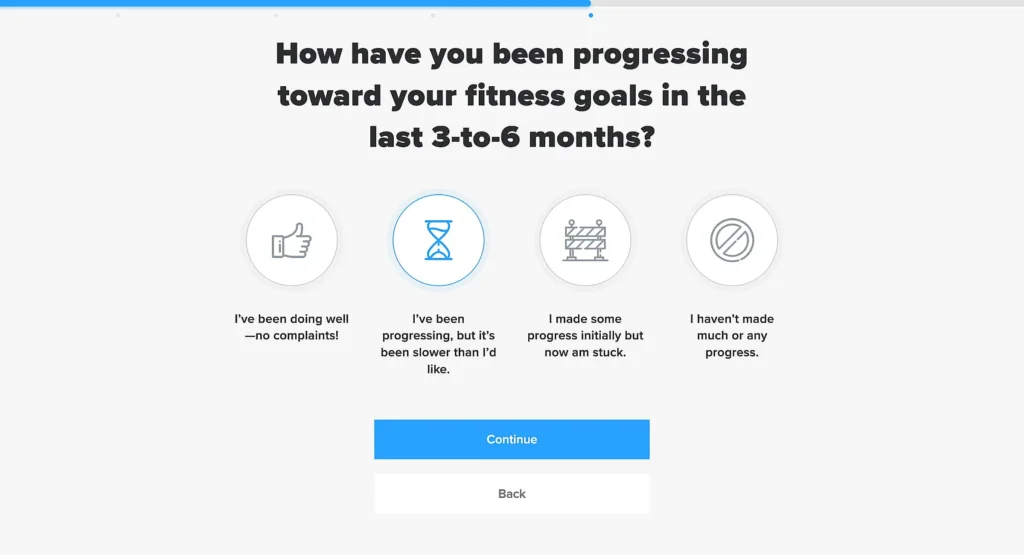
- Skill-level questions: How have you been progressing toward your fitness goals in the last 3-to-6 months?
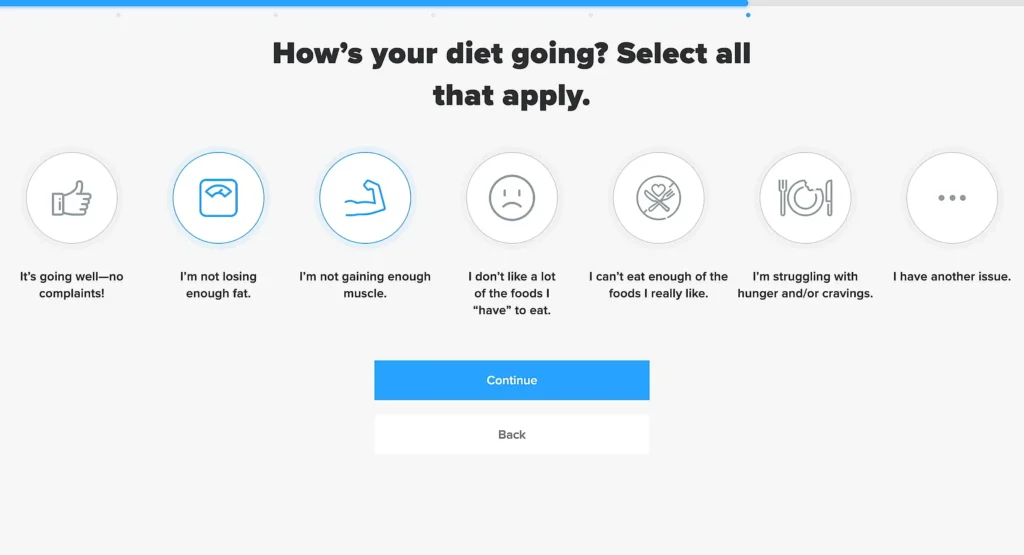
- Problem-awareness questions: How’s your diet going? Select all that apply.
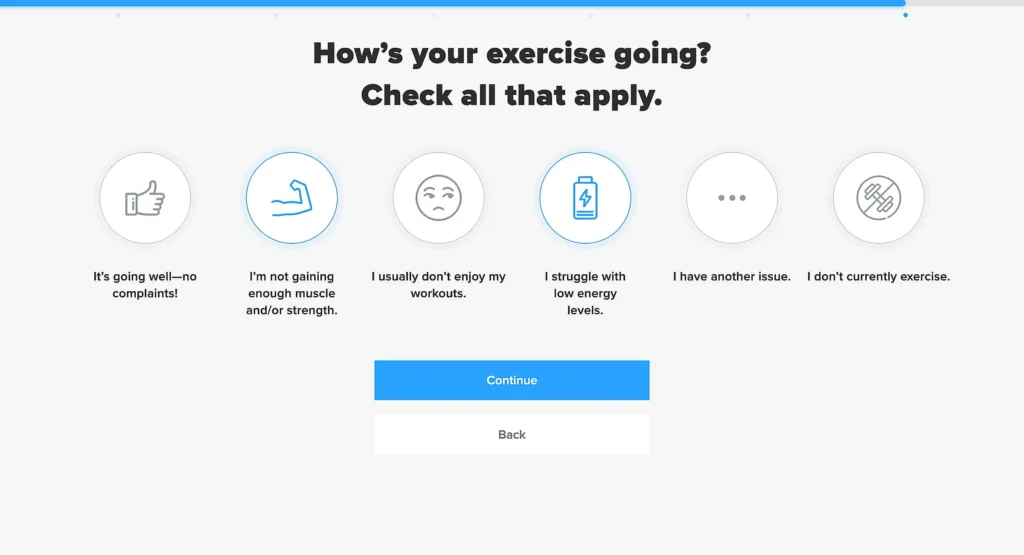
- Clarification questions: How’s your exercise going? Check all that apply.
- The conversion question: Want a coupon for 10% off our coaching?
By this point, users have already invested time and mental effort into the process. So entering an email address no longer feels random. It feels like the natural next step.
And that’s what makes survey funnels so powerful.
Page 2: The Squeeze Page
Once visitors complete the survey, they are redirected to a short “Calculating Your Results…” screen.
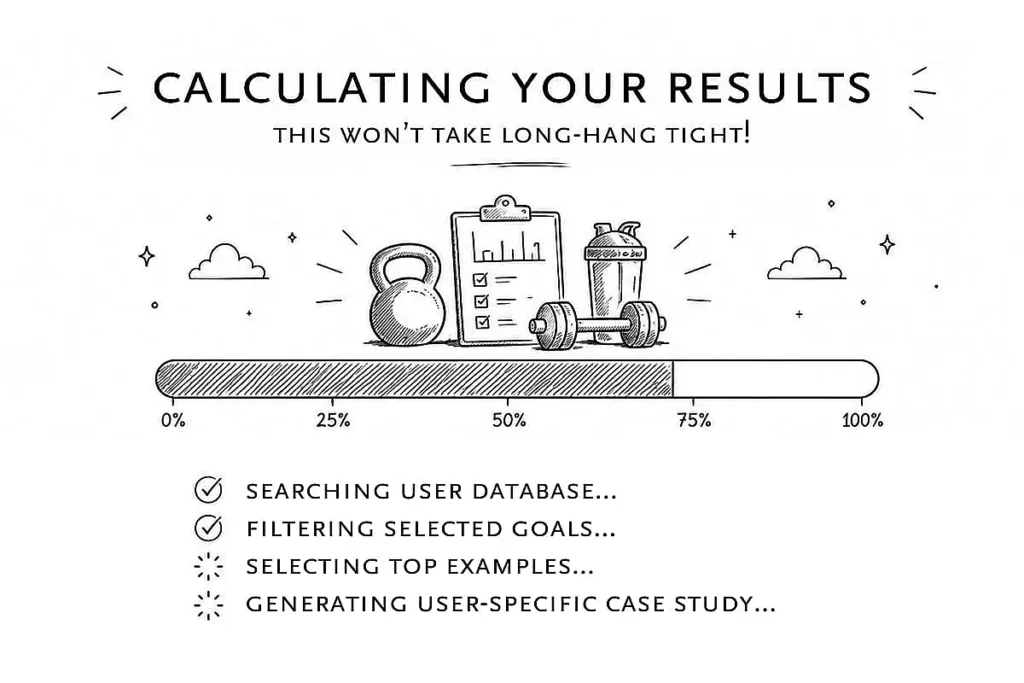
Technically, this step isn’t necessary. But psychologically, it’s smart.
It creates the feeling that the system is analyzing the answers and preparing something personalized. And that small perception shift increases perceived value. The recommendation feels earned, not generic.
After the loading screen, visitors land on a customized page based on their responses.
Legion Athletics adapts the messaging, the testimonials, and the transformation stories based on the visitor’s profile. For example, visitors might see reviews from people who:
- belong to the same age group
- share the same gender
- or struggle with similar fitness problems
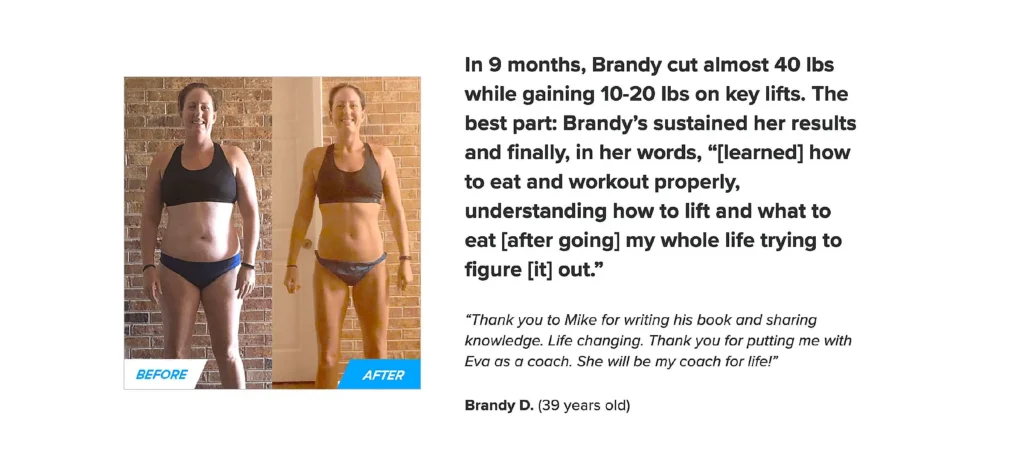
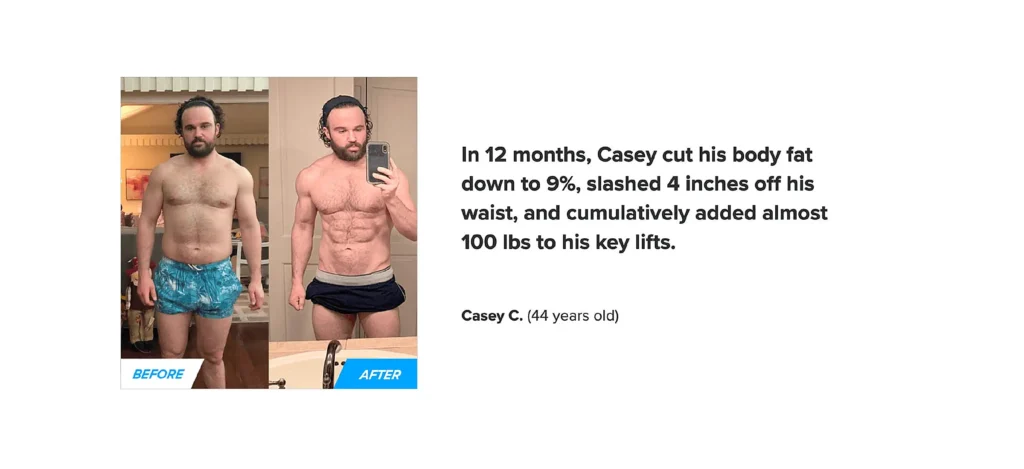
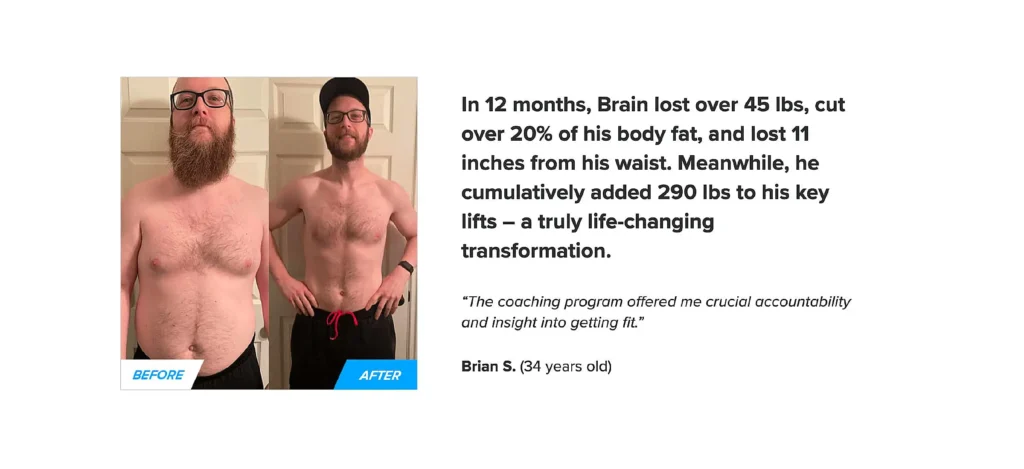
That level of relevance changes how people experience the offer.
Instead of thinking:
“This program helps people.”
Visitors begin thinking:
“This program helps people like me.”
And people trust what feels familiar.
The page also offers a free 30-minute consultation call.
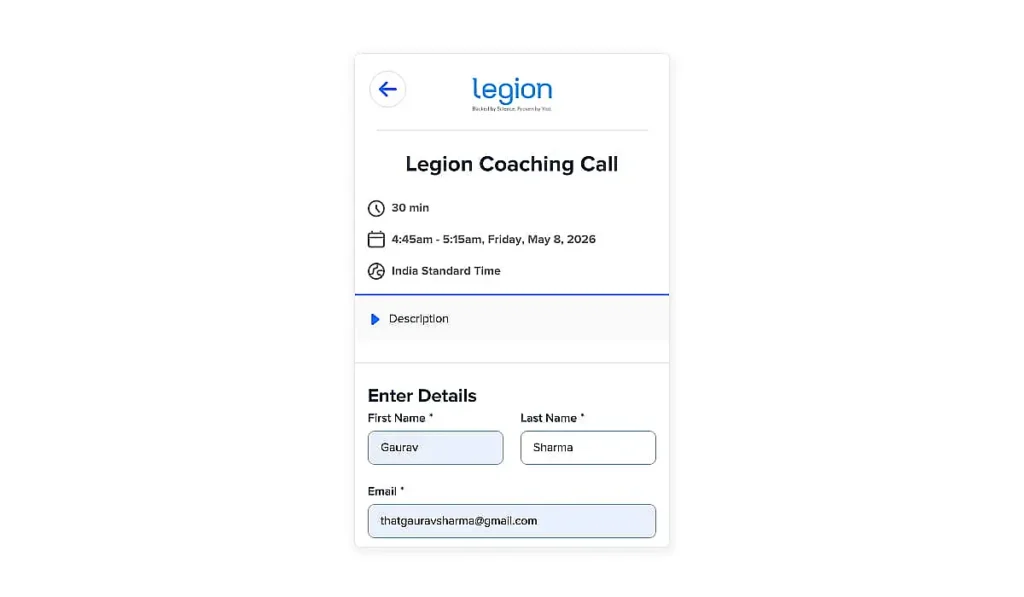
By this stage, the funnel has already done most of the heavy lifting. So the consultation no longer feels like a cold sales call. It feels like the logical next step.
Once prospects enter their email address, they are added to a follow-up sequence tailored to their goals and challenges.
Page 3: The Result Page(s)
Once visitors enter their email address, the funnel delivers the promised result. Most results pages follow a simple pattern:
- Confirm the visitor’s problem
- Explain why it’s happening
- Show a success story or case study
- Present the solution
- Introduce the offer
In other words, the page tells the visitor:
“We understand your situation, and here’s the path forward.”
The results can be delivered in many ways: video, PDF, email, text on the page, webinar, or even a short report. The delivery format matters less than the relevance of the message.
Interestingly, Legion Athletics combines the squeeze page and the results page into one experience.
Instead of forcing users to submit their email address before seeing anything valuable, they keep the transition relatively seamless. That choice aligns with their overall positioning: educational, trustworthy, and low-pressure.
But many businesses separate these steps into different pages. And that works too. The structure matters less than the personalization.
The more precisely you customize the messaging for each audience segment, the more effective the funnel becomes. Because generic marketing talks to everyone.
Personalized marketing feels like it’s talking directly to you.
Leave a Reply