

The goal of a website is to sell you something. And that something might be a product, a service, or an idea. Yet most of them fail at this for one simple reason:
They try to sell everything at once.
The moment you land on the page, they dump features, benefits, pricing, testimonials, blogs, everything in your face.
This happens because most businesses don’t actually know who you are and what you want. So they hedge their bets. They show you everything and hope something sticks. This results in endless sections, conflicting messages, too many links, and click after click after click.
This confuses the hell out of you. And one of the fundamental rules of marketing is: A confused mind always says NO. Studies back this up too. Too many choices demotivate people.
So you feel overwhelmed, hit a mental wall, and leave. That’s how most websites lose customers.
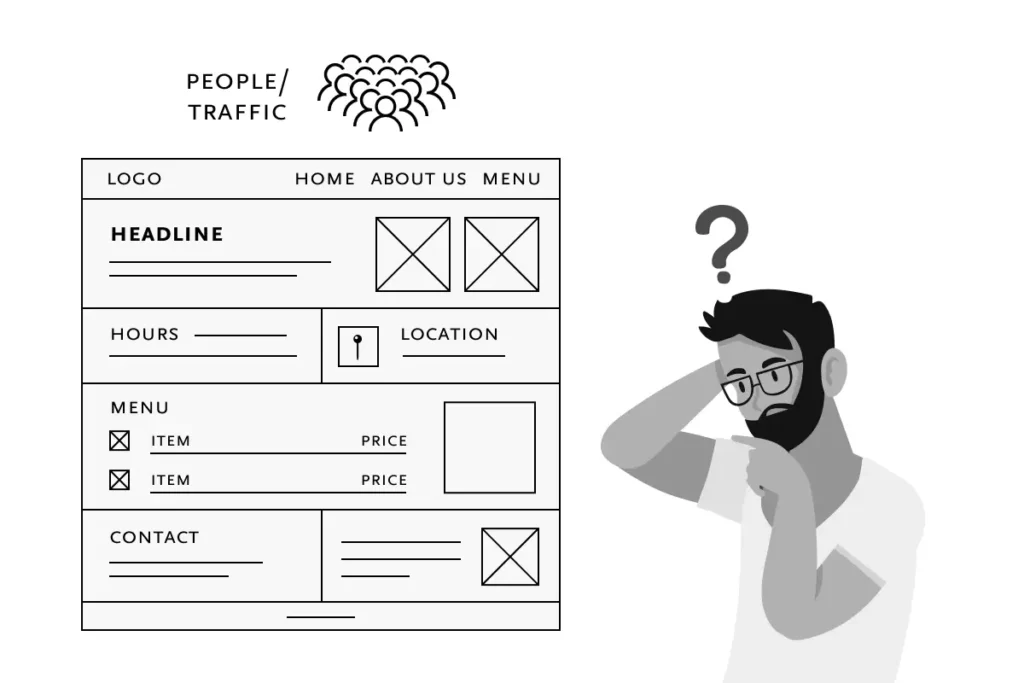
Now here’s the alternative. Instead of building a website, build a sales funnel.
What is a Sales Funnel?
To the untrained eye, a website and a sales funnel look identical. Same pages, same layout, and same design. But the difference isn’t how they look. It’s how they work.
A website says:
“Here’s everything we have. Go figure it out.”
A sales funnel says:
“I know who you are and what you want. Follow me.”
Businesses that use sales funnels understand 3 things:
- Who you are
- What you desire
- How you make decisions
So they speak your language. They use words you want to hear. Words that trigger emotion, spark curiosity, and pull you forward.
And once they have your attention, they show you only what moves you closer to what you want. So no distractions, no competing messages, and no unnecessary links.
Then they tell you a story. A story that increases the perceived value of their offer.
They often give you a small win upfront—a guide, a framework, a demo—in exchange for your contact details.

And as you move through the funnel your curiosity is satisfied, your objections are handled, and your desire is fully formed. So buying feels natural. Not forced, rushed, or manipulative. Just logical.
They take you through a sales process to sell their product that delivers the outcome you’re looking for. And along with that they upsell their other products that complement your original purchase.
Later, they guide you to their other funnels to help you reach an even better version of your desired state.
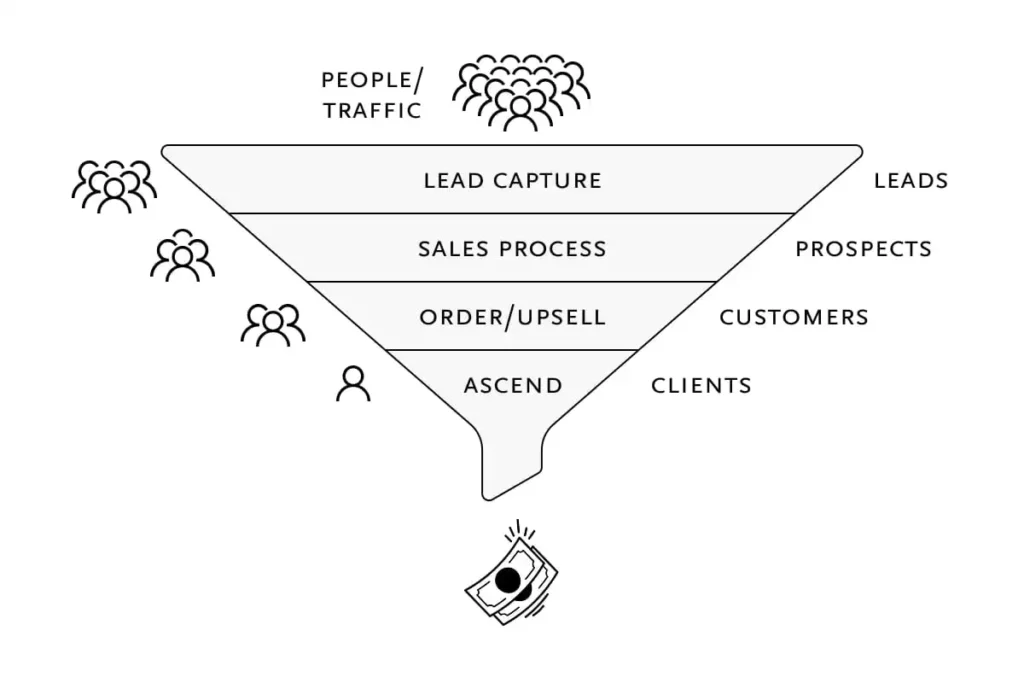
When a funnel is done right, two things happen:
- You get a smoother, clearer, more enjoyable experience.
- The business makes more money.
In short, everybody wins. So here’s the real takeaway: Don’t just build a good-looking website.
Build a sales funnel. Because design that doesn’t convert is just decoration.
Leave a Reply