
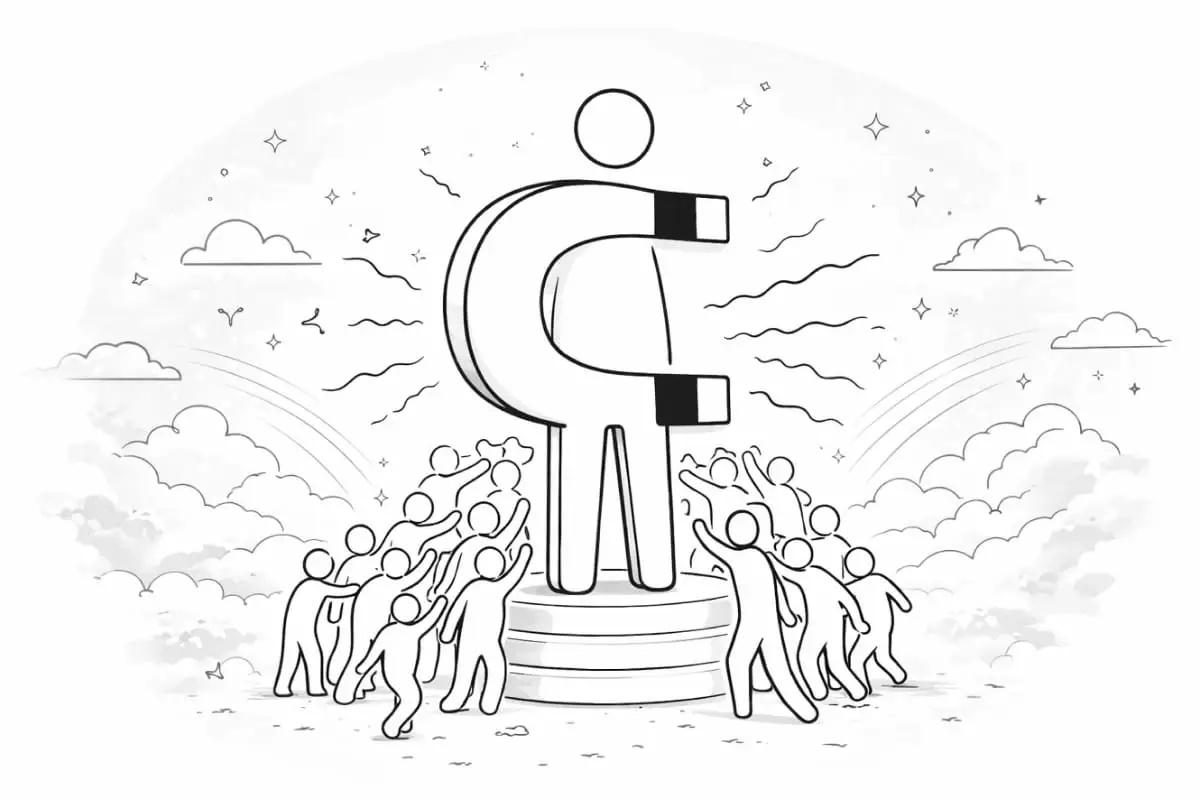
Becoming attractive has nothing to do with your looks. You look fine. It’s about how you present yourself.
Yes, your value ladder has all your great offers, but the attractive character is the brand you attach to those offers to make them feel even more valuable.
For example, the iPhone is already a great device. But when it is paired with Apple’s brand and the charisma of Steve Jobs, it becomes irresistible.
You want to build a relationship with your dream customers, and the attractive character helps you do that.
Becoming an Attractive Character
After people connect with your content, they start digging deeper to learn more about you.
What is your story?
What have you already shared?
What do you like/dislike?
Who do you follow, and who follows you?
So, don’t disappoint them. Nothing is better than a starving crowd. Feed them your story. But before you do, get it straight. Nobody likes a half-baked dish. Present your well-balanced, full-flavored, and emotionally rich signature work. Like a master chef, develop your own culinary voice to become truly attractive.
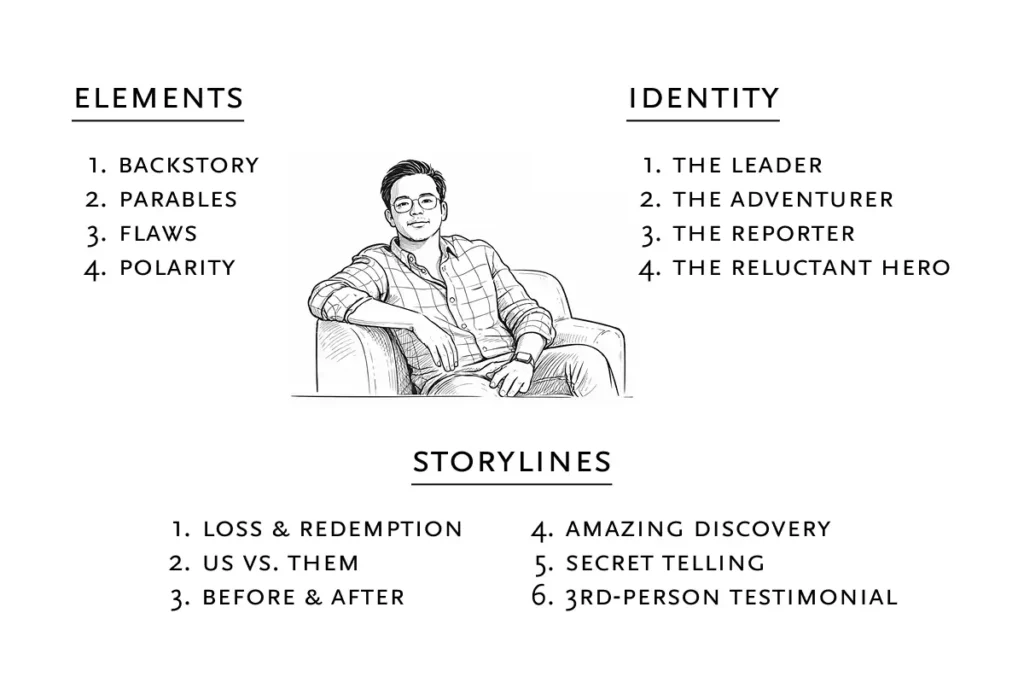
You need 3 things to become an attractive character:
- Character Elements
- Character Identity
- Character Storylines
Mix them together and build your own personal monopoly: a moat no one can cross, a combination no one can copy, and a one-of-a-kind personal brand.
1. Character Elements
You can use four elements to construct your attractive character.
Backstory
People don’t buy products. They buy stories. And the world is full of them. Some of the common themes you find in your daily life are:
- Rags to Riches: Cinderella, Aladdin, Jane Eyre
- Overcoming the Monster: Dracula, James Bond, Harry Potter
- The Quest: The Iliad, Lord of the Rings, The Mahabharata
- Voyage and Return: The Lion King, Gulliver’s Travels, The Ramayana
Your backstory allows people to see where you came from, what you went through, and how you became who you are.
It’s the easiest way to build rapport. Especially today, when it’s hard to know who’s real, a solid backstory backed with proof validates your claims.
Parables
What do Jesus, Laozi, Osho, Zarathustra, and Buddha have in common? They don’t lecture. They teach through stories.
Parables are short stories that use everyday situations to teach deeper lessons. That’s why children’s books are filled with them. They etch complex ideas permanently into our minds.
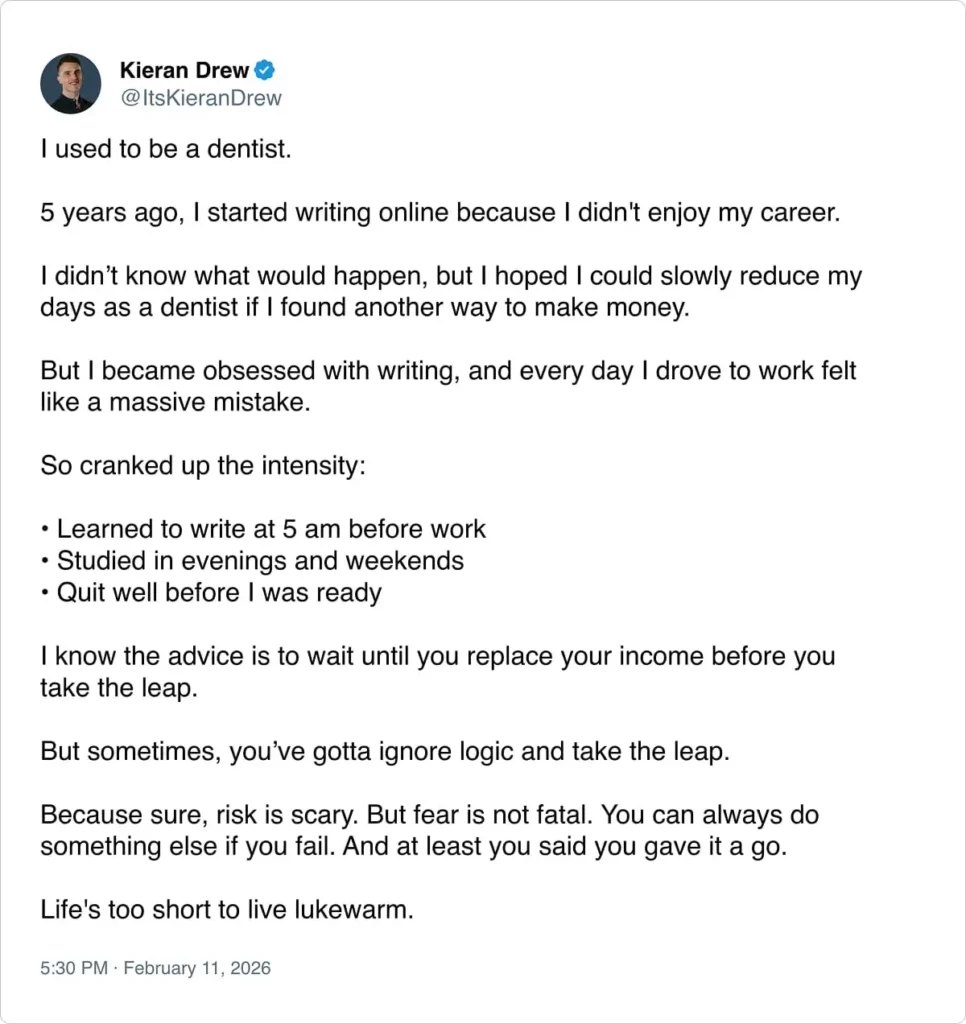
X uses the power of parables brilliantly. Its 280-character limit forces brevity, and people have built audiences of millions through clear, concise storytelling.
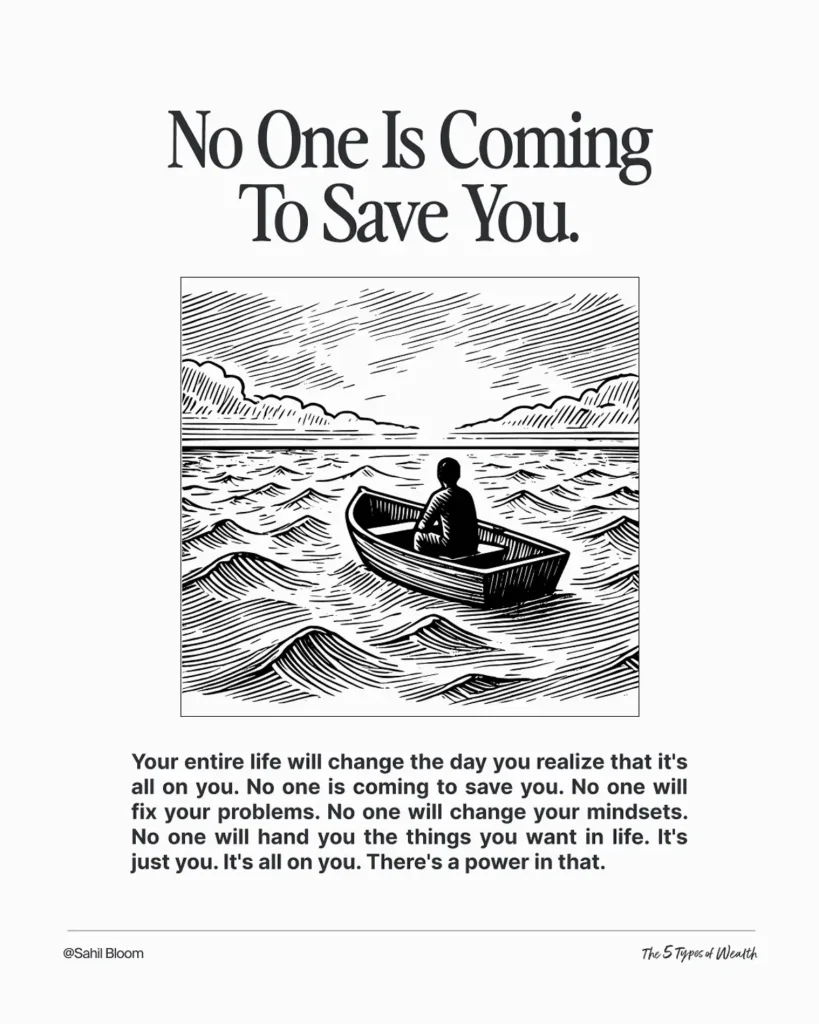
Posts by Sahil Bloom, Paul Graham, Tim Ferriss, and Naval Ravikant attract thousands of likes, reposts, and comments. It’s proof that you don’t need a 500-word article to hit home. Use parables to explain concepts, show your thinking, and share your discoveries. Don’t try to educate people, entertain them.
Flaws
Don’t be afraid to show your flaws. Even gods have them. Rama abandoned his wife, Krishna was a flirt, and Shiva beheaded his own son.
But these imperfections make them real. People are drawn to vulnerability. And that’s why underdog stories work. People see themselves in them. Alone, helpless, outnumbered, yet prevailing.
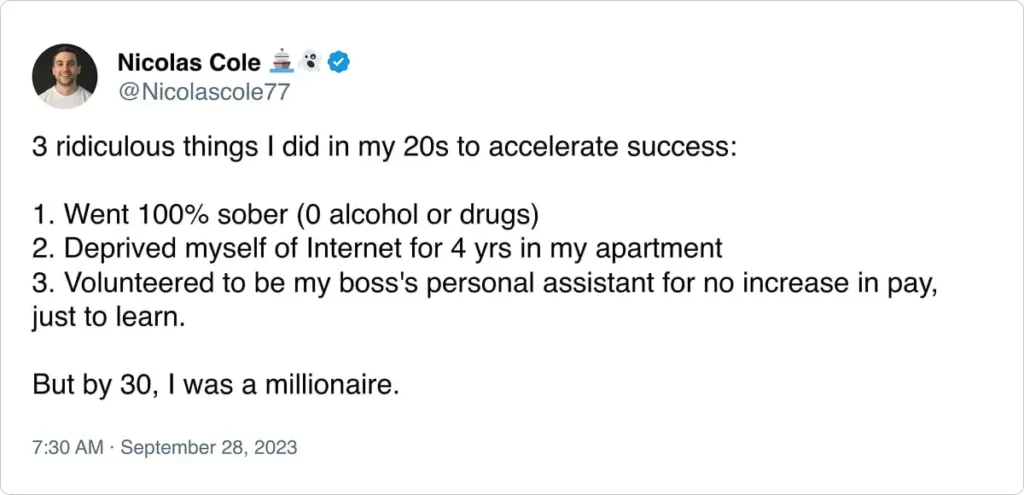
So show your flaws, talk about your mistakes, and share your failures. The more you do, the more relatable you become because life rarely goes according to plan. As Mike Tyson said: “Everybody has a plan until they get punched in the face.”
Polarity
Polarity is about opposition. It occurs when you strongly identify with certain beliefs and openly reject others.
Andrew Tate, Ben Shapiro, Jordan Peterson, and The Liver Doc, speak in absolutes. They challenge mainstream narratives and are unapologetic about their worldview.
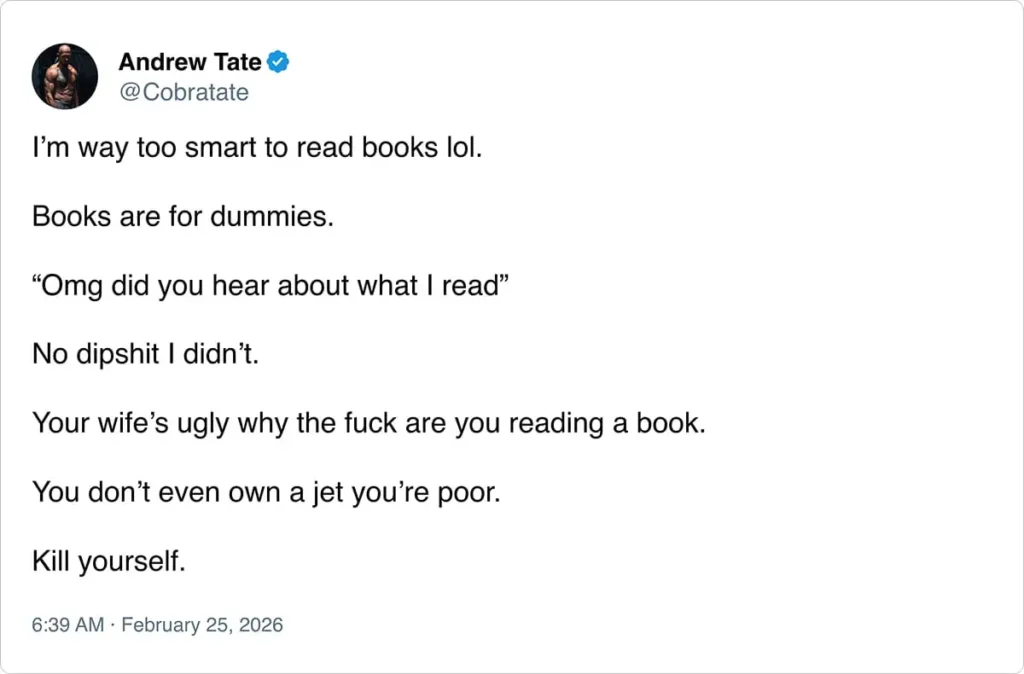
Some agree strongly, others disagree strongly, but conversation grows. And conversation = visibility. Love them or hate them but you can’t ignore them.
So choose your archenemy, point it out, and go after it. But avoid commenting on everything. Being a jack of all trades isn’t sustainable.
Don’t spread too thin and dilute your personality. Stick to your guns.
2. Character Identity
How do you identify yourself? Not by gender but professionally. More importantly, how do you want your audience to see you?
The leader · The adventurer · The reporter · The reluctant hero.
Each comes with its own nuances.
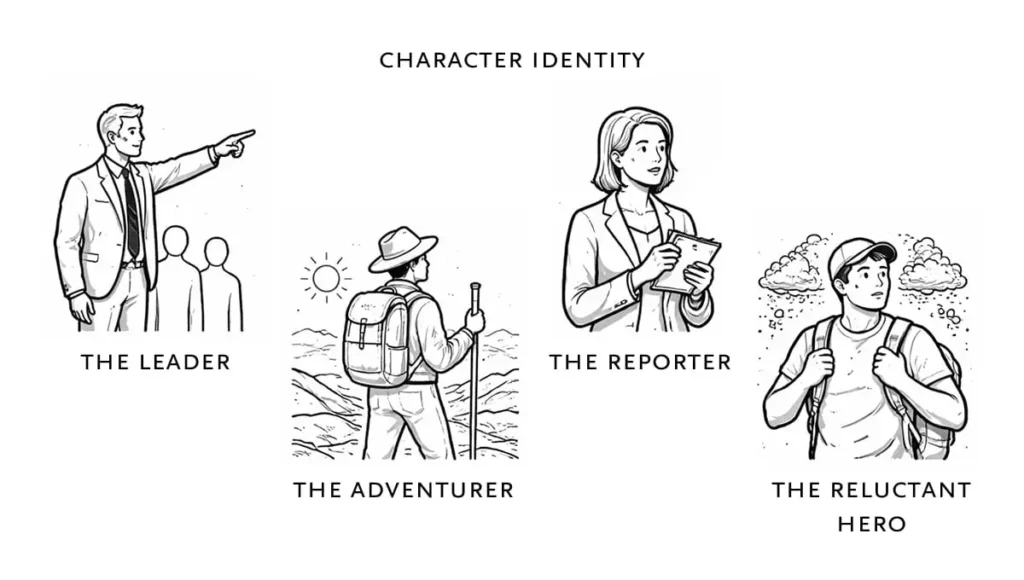
The Leader
You are a leader if you’ve already reached where you want to take others. You’re successful and know the industry deeply. You understand what works and what doesn’t.
Now you share lessons to help others avoid your mistakes. But becoming a leader takes time. You must build in public and prove your competence. Once you do, influence follows.
The Adventurer
Adventurers go on quests to find interesting things and share them along the way. They’re curious, restless, always exploring. If you move fast and break things, enjoy uncertainty, and like staying ahead, then adventurer identity might be a good fit.
The Reporter
Most influencers and podcasters fall here. But only a few do it well. Many leaders start as reporters because the rewards are enormous.
You can easily access influential thinkers, have deep conversations with them, and being associated with well-known figures helps build your own credibility.
The Reluctant Hero
They have expertise but avoid the spotlight. They share because they feel responsible. Derek Guy, Dr. Vikas Divyakrithi, Khan Sir, The Cultural Tutor, they all started to educate, not to chase fame. And even after success, they remain grounded.
3. Character Storylines
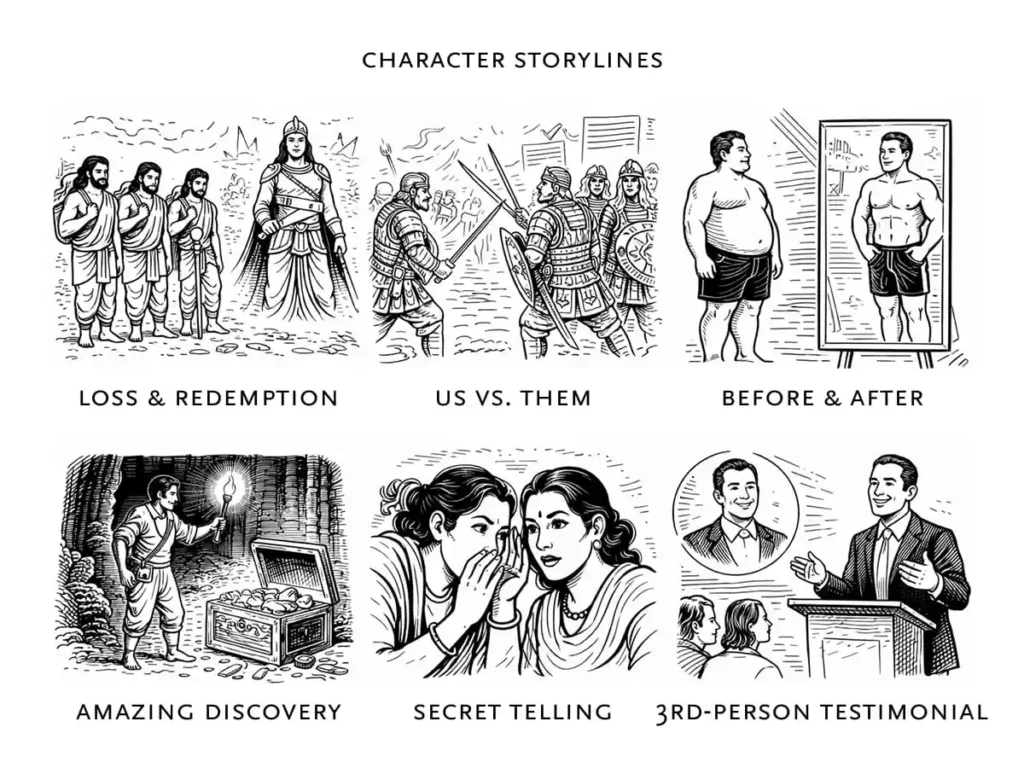
Creating daily content is hard and making it interesting is even harder. Storylines solve this problem.
Loss & Redemption
Steve Jobs’ life is the perfect example of loss & redemption: found Apple, lost it, learned, returned, and transformed it.
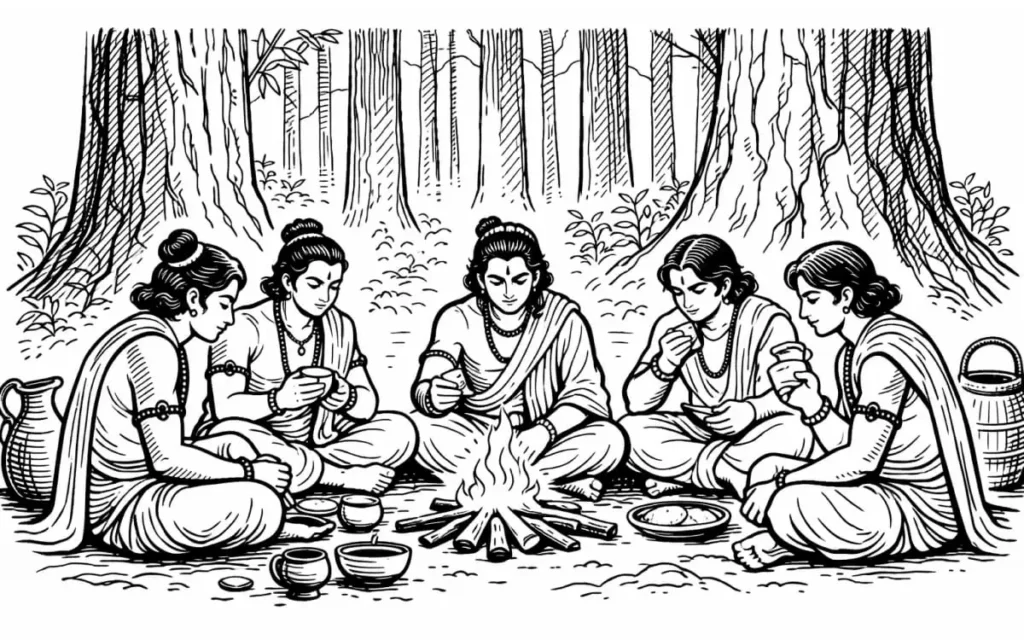
Influencers often use this theme to frame their journey. Religious stories follow this arc too, whether it’s Pandavas’ exile, Ahalya’s liberation, or Savitri’s victory over death.
Us vs. Them
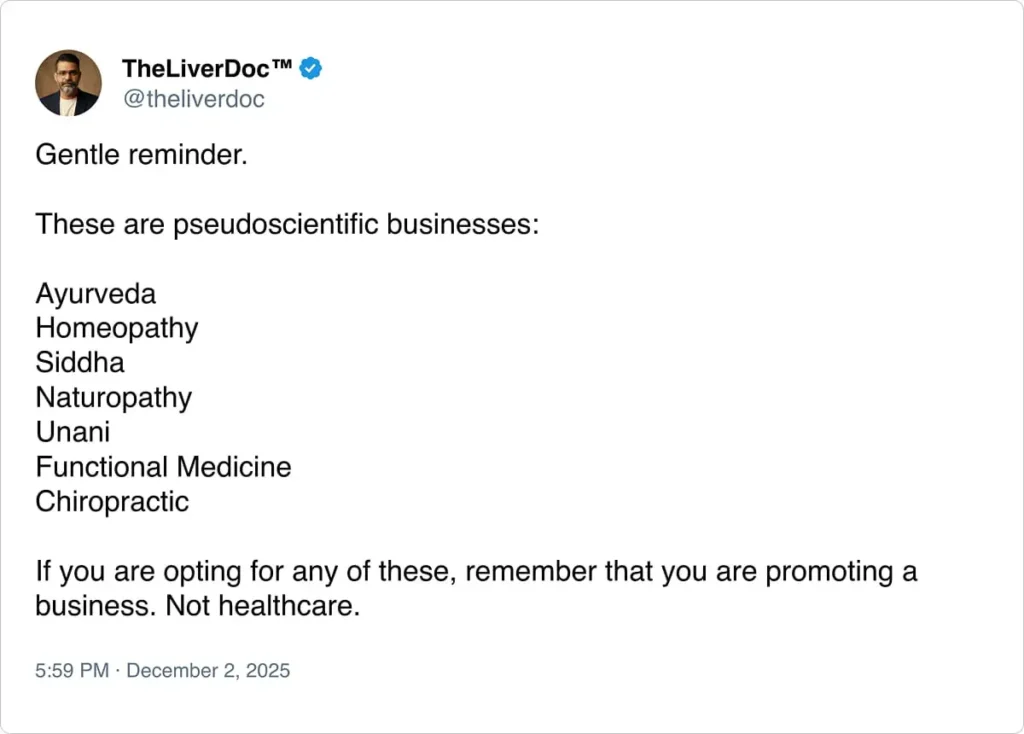
“Us” believe what you believe. “Them” represents the system you oppose. There is no middle. It’s a risky but powerful theme. This converts followers into defenders. For example:
Andrew Tate vs “The Matrix.”
Justin Welsh vs 9-to-5 life.
The Liver Doc vs pseudoscience.
Before & After
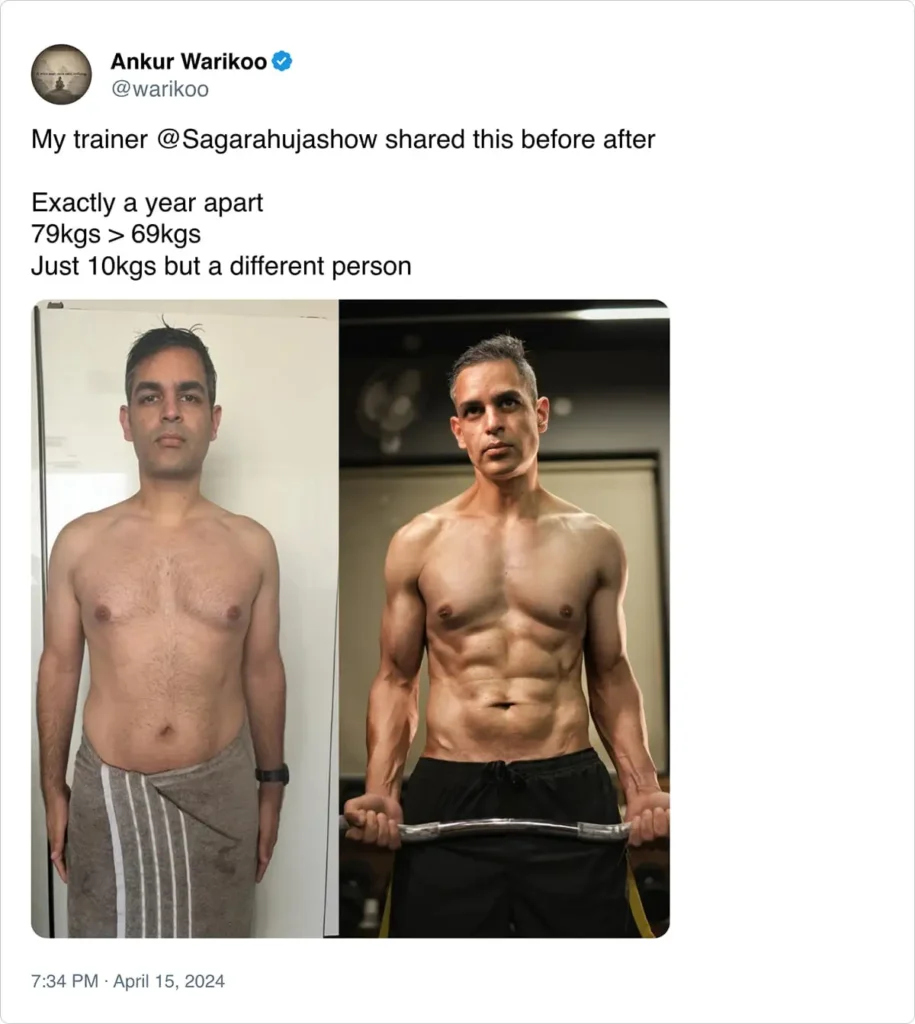
Humans compare constantly. And social media leaves no stone unturned to ensure that we get timely notifications about others: Where do others go for holidays? What do they buy? How do they look?
“Before & After” taps into the same psychology but in a better way. The health industry uses this storyline relentlessly for good reason.
Amazing Discovery
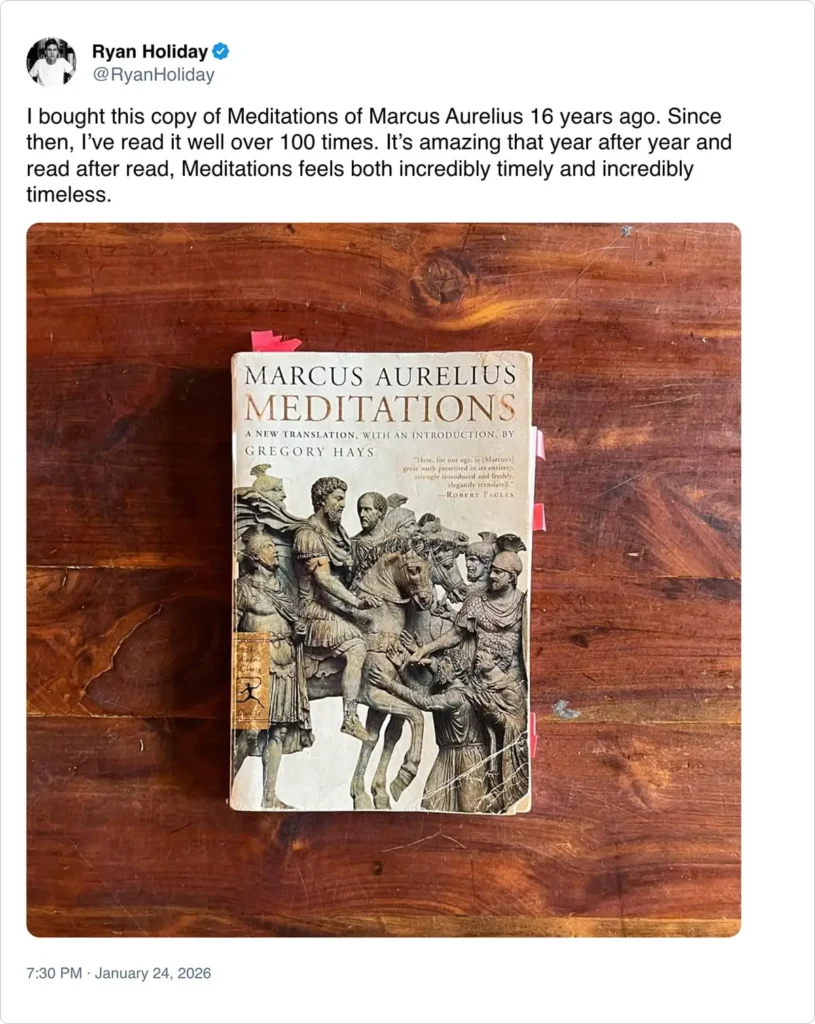
It’s when someone discovers an idea that changes everything. It might be a new way of thinking, a better way of living, or a breakthrough perspective. Once it clicks, they can’t help but share it. For example:
- Ryan Holiday discovering Stoicism.
- James Clear’s 1% better habits.
- Clayton Christensen’s theory of disruptive innovation.
Secret Telling
It’s about sharing what most people can’t access like trade secrets, underground knowledge, and gatekept insights. The kind of information people crave but rarely find. For example:
- Huberman’s protocols
- Derek Guy’s deep dives into fashion
- The Cultural Tutor’s breakdown of elite knowledge.

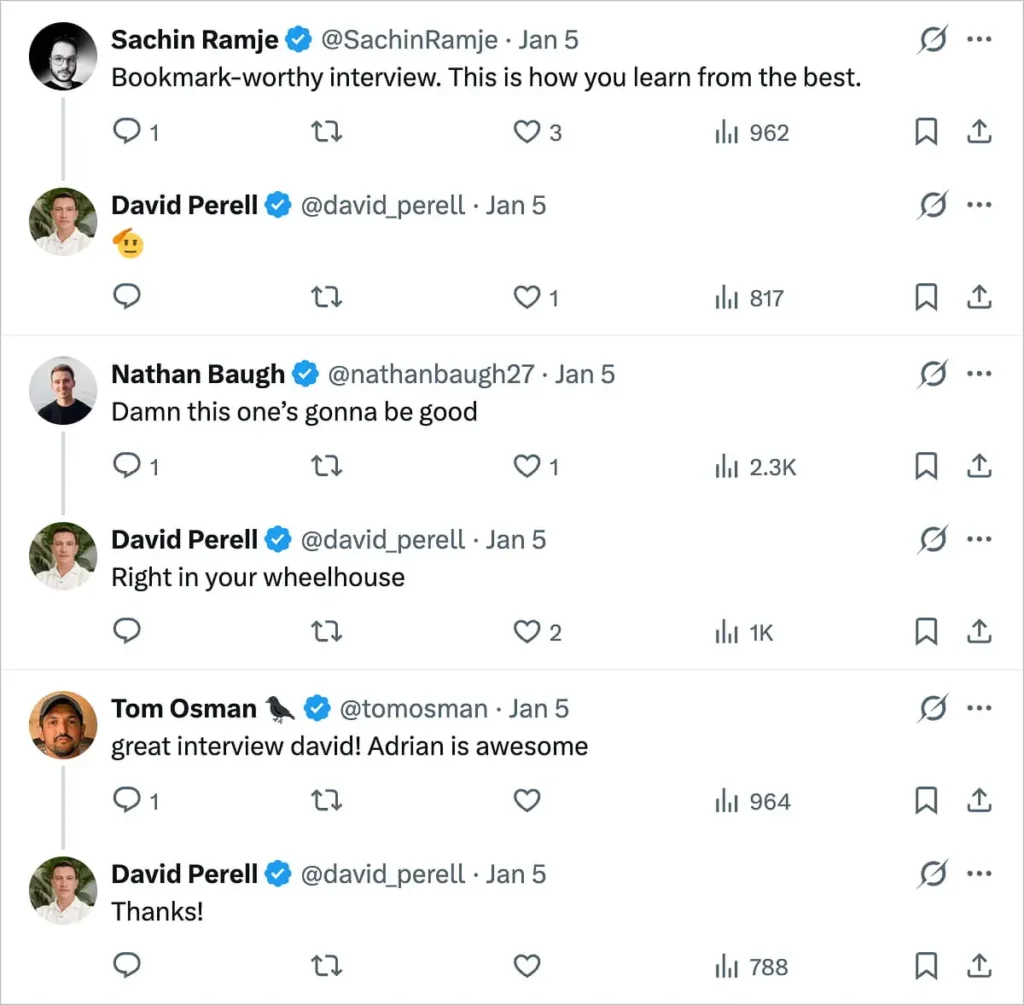
Third-person Testimonial
Here you don’t talk about yourself, others do. This happens when people relate deeply with your work. And the more they talk, the more visible you become. Your content spreads on its own.
David Perell’s posts on X do exactly that, attracting thousands of likes, reposts, and comments. These are the testimonials that truly matter. One catch: you have to be good enough to deserve them.
The Takeaway
Become an attractive character. Everything else follows.
As Kevin Kelly said,
“You only need 1,000 true fans to be a success.”
So don’t chase millions. Attract only a few thousand and you’re good.
Leave a Reply